
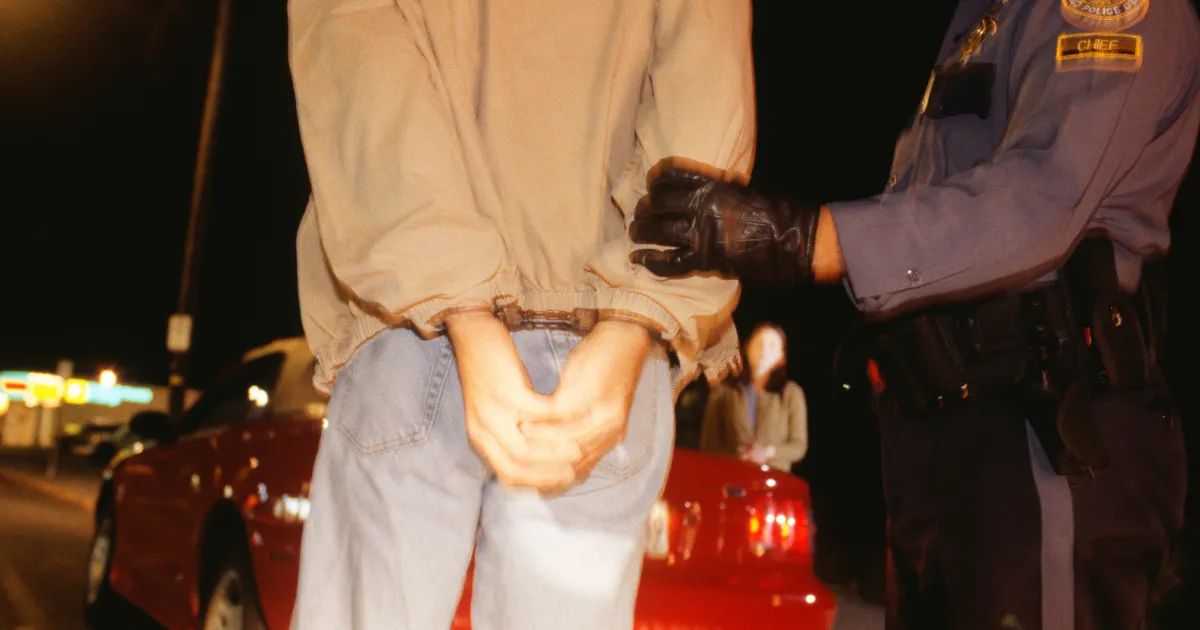
A Driving Under the Influence (DUI) charge in Maryland can do more than lead to fines or court penalties. Under Noah’s Law, you may be required to install an ignition interlock device to keep driving, often before your case is even resolved.
The Drunk Driving Reduction Act of 2016, known as “Noah’s Law,” expanded Maryland’s ignition interlock requirements for DUI cases. It applies to many drivers, including some first-time offenders, and can impact your license, your costs, and your daily life from the start.
What Is Noah’s Law?
Noah’s Law honors the late Montgomery County Police Officer Noah Leotta, who was killed by a repeat-offending drunk driver at a sobriety checkpoint in 2015. The law was enacted to prevent impaired drivers from getting behind the wheel and expanded Maryland’s ignition interlock requirements for alcohol-related driving offenses. Now, more drivers are required to install ignition interlock devices, including certain first-time offenders and those who refuse DUI testing.
Instead of suspending your license, the Maryland Motor Vehicle Administration (MVA) may require you to install an ignition interlock device if you want to keep driving. Because of this, Noah’s Law can affect your case from the start, often before your criminal charges are resolved.
When Does Noah’s Law Apply?
An ignition interlock may be required in Maryland for:
- DUI convictions (BAC ≥ 0.08, though ignition interlock is typically mandated for BAC ≥ 0.15).
- High BAC readings (typically 0.15 or higher).
- Refusal of breath or chemical testing.
- Probation Before Judgment (PBJ) for DUI or DWI, if the MVA imposes an interlock.
- Repeat DUI/DWI offenses.
Note: Even first-time offenders may be required to install an ignition interlock device if they meet specific criteria such as a high BAC, a test refusal, or certain PBJ conditions. Not all first-time DUI offenders automatically trigger this requirement.
What Is an Ignition Interlock Device?
An ignition interlock device is a breath-testing system installed in your vehicle that prevents it from starting if alcohol is detected. In Maryland, you may be required to install one after a DUI conviction, a high BAC (typically .15 or higher), a test refusal, or to keep a restricted license. The program involves daily requirements and ongoing costs, including:
- Installation and monthly monitoring fees.
- Service and calibration appointments.
- Violation fees for failed or missed tests.
- Limited vehicles driven.
- Daily testing when using a vehicle.
Ignition interlock devices are typically required for several months or longer, depending on your case and whether you have serious or repeat offenses. For many, this requirement is one of the most disruptive and expensive parts of a DUI case.
What Are the Penalties Under Noah’s Law?
Penalties under Noah’s Law depend on your charges, your driving history, and the facts of your case. In many situations, the law adds ignition interlock requirements on top of standard DUI penalties, increasing both the cost and overall impact.
How Noah’s Law Affects Driving Privileges
The MVA can impose administrative sanctions immediately after a DUI arrest:
- Immediate license suspension following a high BAC or test refusal.
- In some cases, participation in the ignition interlock program allows limited driving privileges during part of a suspension, but certain cases may still require serving a portion of the suspension in full.
- Driving privileges are restricted under an interlock-restricted license, monitored by the MVA.
For many drivers, installing an ignition interlock device is the only way to continue driving legally under these restrictions.
Criminal Penalties for DUI
DUI convictions carry criminal penalties under Maryland law, including:
- Fines and Court Costs: Up to $1,000 or more, depending on the circumstances of the offense.
- Jail Time: Up to one year for a first DUI, subject to aggravating factors.
- Points on your driving record and possible license revocation.
Penalties increase for repeat offenses, higher BAC levels, or aggravating circumstances such as having a minor in the vehicle or causing an accident.
Additional DUI Consequences
A DUI conviction can also affect your finances and daily life beyond court and license penalties:
- Increased auto insurance premiums.
- Impacts on employment, especially jobs requiring driving.
- Potential disciplinary action affecting professional licenses.
These consequences can continue long after your case is resolved.
Can You Avoid the Ignition Interlock Requirement? (Updated)
Avoiding or limiting ignition interlock depends on the specific circumstances of your case. A skilled DUI defense attorney may:
- Challenge the traffic stop or arrest.
- Question field sobriety or chemical test results.
- Identify procedural errors.
Important: Even if these challenges are successful, the MVA may still impose ignition interlock independently of the court’s outcome. Successfully disputing elements of your case may reduce the length or conditions of interlock, but full avoidance is not guaranteed.
An experienced Maryland DUI defense attorney can evaluate the evidence, protect your rights, and work to limit the penalties you face from the start. Learn more about your legal options on our Maryland DUI Defense page.
How Noah’s Law Impacts First-Time Offenders (Updated)
First-time DUI offenders are not automatically subject to ignition interlock. However, the requirement may apply if they:
- Have a high BAC (typically 0.15 or above).
- Refuse chemical testing.
- Receive Probation Before Judgment, and the MVA imposes an interlock.
For those affected, ignition interlock is generally required for a minimum period of six months.
How a Maryland DUI Lawyer Can Help Under Noah’s Law
Noah’s Law adds another layer of complexity to DUI cases by tying ignition interlock requirements to both your charges and your driving record. How your case is handled can directly affect the penalties you face. Your Maryland DUI defense lawyer can:
- Evaluate the evidence against you.
- Identify weaknesses in the case.
- Challenge the stop, testing, and arrest.
- Work to reduce or modify the charge.
- Represent you in court and MVA proceedings.
- Avoid or limit ignition interlock requirements.
Because both the court and the MVA can impact your driving privileges, it is important to have a solid defense strategy from the start. The right legal approach can make all the difference in protecting your license, your record, and your finances.
Frequently Asked Questions About Noah’s Law in Maryland
- What should I do after a DUI arrest in Maryland? Request an MVA hearing if needed, follow all instructions, and contact a defense lawyer to protect your license and your rights.
- Does Noah’s Law apply to out-of-state drivers? Noah’s Law can apply even if you hold a license from another state.
- How long do I have to install an ignition interlock device in Maryland? Typically, six months or longer, especially with high BAC levels, test refusals, or repeat offenses.
- What happens if I fail the interlock test? Failures can trigger violations, extended interlock requirements, or additional penalties, depending on the circumstances.
A Baltimore DUI Defense Lawyer at Garner Legal Protects Your License and Your Rights
If you are facing DUI charges, you need experienced legal representation early to protect your rights, your license, and your record. A skilled Baltimore DUI defense lawyer at Garner Legal is ready to help you navigate the process and defend the charges. Call 443-899-1758 or contact us online to schedule a free consultation. Located in Baltimore, Maryland, we serve clients in the surrounding areas.