
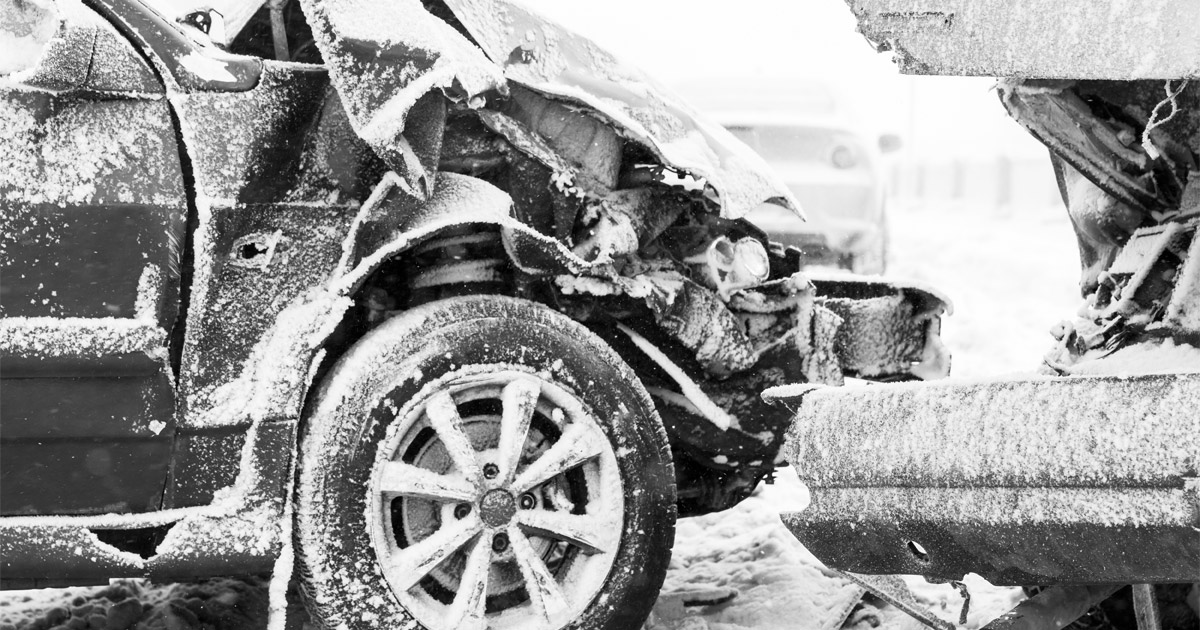
As fall approaches, changing weather in Maryland can create hazardous driving conditions, even before the first snow or icy roads arrive. Rain, early morning fog, wet leaves, and slick streets can all contribute to car accidents. These conditions often reduce visibility, increase stopping distances, and pose risks even for careful drivers. Understanding how weather-related accidents are handled under Maryland law can help you know what to expect if you are injured in such a crash.
How Does Maryland Law View Accidents Caused by Bad Weather?
Maryland drivers have a duty to operate their vehicles safely under the prevailing conditions. This means that poor weather—whether rain, fog, or early-season slick roads—does not automatically excuse negligence. Courts evaluate whether a driver acted reasonably under the conditions, such as slowing down, increasing following distance, and using headlights appropriately. Failure to adjust can result in liability even when the weather contributed to the accident.
Can Drivers Use Bad Weather as a Defense?
At-fault drivers sometimes claim that the weather caused the crash. While adverse conditions may be a factor, Maryland courts generally do not allow weather alone to excuse negligence. Drivers are expected to anticipate hazards and respond safely. For example, if a driver is traveling too fast on wet leaves or rainy streets, they may still be considered at fault. Only in rare, unavoidable situations might weather provide a stronger defense.
What Role Does Contributory Negligence Play?
Maryland follows the contributory negligence rule, which is stricter than in most states. If an injured driver is found even one percent at fault, they may be barred from recovering damages. This rule is particularly important in weather-related crashes. For instance, if a driver fails to adjust speed for wet conditions and is slightly at fault, they could be denied compensation even if the other driver was primarily negligent.
What Evidence Is Important in Weather-Related Accident Claims?
Evidence is critical in proving fault in weather-related accidents. Key items include:
- Photographs of the roadway and surrounding conditions
- Police reports noting the weather at the time of the crash
- Witness statements
- Vehicle event recorder or black box data
- Testimony about vehicle speed, use of lights, and braking attempts
Because Maryland’s contributory negligence law is so strict, even small details can significantly impact a claim.
How Do Insurance Companies Handle Bad-Weather Claims?
Insurance adjusters in Maryland closely examine weather-related claims to determine whether a crash was unavoidable or caused by driver negligence. They may argue that the accident resulted solely from weather or that the injured driver contributed, which could bar recovery. Providing thorough documentation and evidence is essential to protect your rights.
What Should Drivers Do After a Weather-Related Accident?
Immediately after a crash, safety should be your first priority:
- Call 911 and seek medical care if needed.
- Move vehicles to a safe location if possible.
- Document the scene thoroughly, including road conditions, vehicle damage, and surrounding hazards.
- Notify your insurance company promptly.
- Avoid admitting fault at the scene or to the other driver.
Careful documentation and professional guidance are essential under Maryland’s strict negligence rules.
Can Weather-Related Crashes Lead to Lawsuits?
Yes. If insurance negotiations fail or damages exceed policy limits, lawsuits may be necessary. In court, plaintiffs must show that the other driver’s negligence—not simply the weather—caused the accident. Evidence such as speed, following distance, lighting, and braking is crucial. Accident reconstruction experts may also be called to support the case.
A Towson Car Accident Lawyer at Garner Legal Can Help
Fall weather can make Maryland roads slippery and dangerous, but drivers are still required to act responsibly. If you have been injured in a weather-related crash, a Towson car accident lawyer at Garner Legal can evaluate your case, gather evidence, and fight to protect your rights. Call 443-899-1758 or fill out our online form for a free consultation. Located in Baltimore, we proudly serve clients throughout the surrounding areas.