
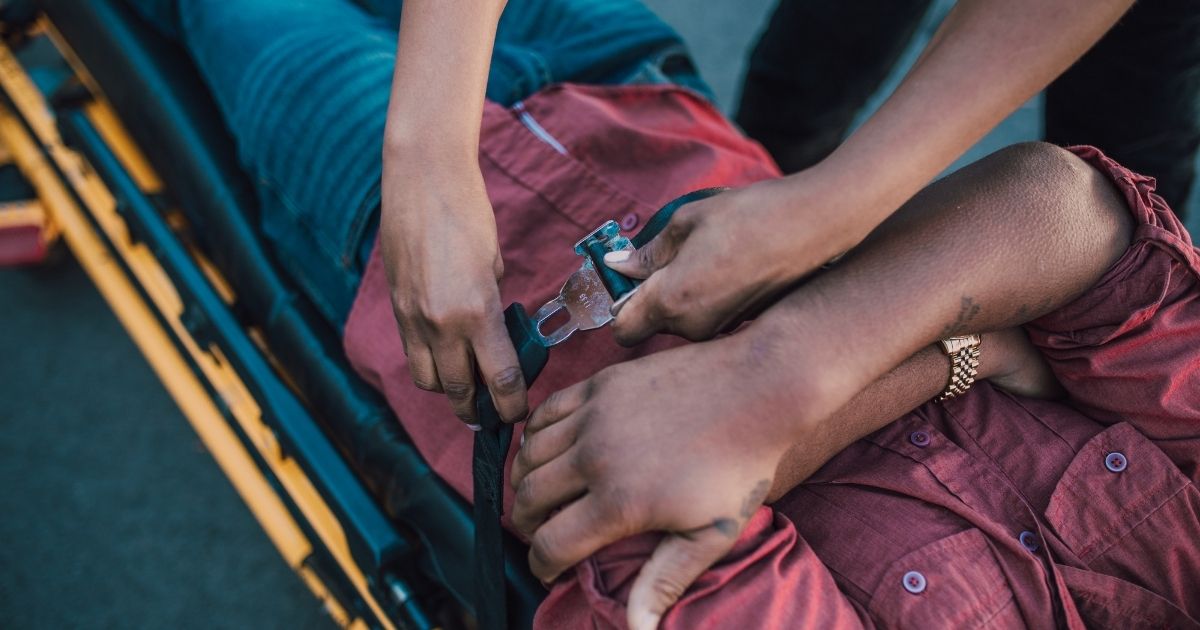
Many people climb out of their damaged vehicles after a car accident, feeling surprisingly normal. Some even walk away without any pain at all. This common experience happens because the body can enter a protective state that masks injuries, sometimes for days. The brain releases powerful chemicals during traumatic events that temporarily block pain signals while keeping someone functional during a crisis. However, the absence of immediate symptoms does not always indicate the absence of personal injury.
What Happens to the Body Immediately After a Crash?
The nervous system shifts into survival mode within seconds of impact. Adrenaline and endorphins flood the bloodstream, acting as natural painkillers while sharpening focus and raising heart rate. Blood flow redirects toward vital organs and major muscle groups, leaving other areas with reduced circulation. This automatic response, which helped early humans survive dangerous encounters, now prevents crash survivors from recognizing injuries that need immediate medical care.
Does Shock Affect Everyone the Same Way After a Car Accident?
Age, overall health, and previous trauma exposure all influence how intensely someone experiences shock following a collision. Older adults may have prolonged shock responses because their bodies produce stress hormones differently than younger people; those with anxiety disorders or prior accident experience might enter heightened states more quickly. Physical fitness level also plays a role, as athletes might not detect their injuries as long because of higher pain tolerance. Children often bounce back faster but may struggle to communicate symptoms accurately.
How Long Does the Shock Response Typically Last?
Initial shock usually persists from several minutes to a few hours after the collision. However, stress hormones can continue affecting the body for up to 48 hours following impact. During this period, someone might feel alert or emotionally numb despite having sustained real damage to muscles, bones, or soft tissues. Many people report feeling fine for an entire day before severe pain or stiffness suddenly appears.
What Are Common Delayed Injury Symptoms?
Whiplash ranks among the most frequent delayed injuries, with neck pain typically emerging 24 to 72 hours post-crash. Headaches may start as mild discomfort before intensifying, potentially signaling concussion or brain trauma. Back pain may also develop gradually as swelling increases around damaged discs or strained muscles. Numbness, tingling, or reduced mobility can also appear days later, along with emotional symptoms such as anxiety or sleep disturbances.
How Does Shock Affect Memory of the Accident?
The chemicals that suppress pain also disrupt how the brain processes and stores memories during trauma. People often recall certain vivid details while having no recollection of other critical moments surrounding the collision. Some experience fragmented memories, remembering one location and then suddenly finding themselves elsewhere without remembering the transition. This occurs because the brain prioritizes immediate survival over creating detailed records, making it difficult to provide accurate statements to authorities or insurers shortly after impact.
Why Should I See a Doctor if I Feel Fine After a Crash in Towson?
This is important, as medical professionals can detect injuries before symptoms appear through physical examinations and diagnostic testing. Early documentation also creates an official record linking injuries to the collision, which becomes vital for insurance claims. Additionally, some conditions worsen without treatment, turning minor injuries into chronic problems affecting daily life for months or years. Prompt medical care also provides faster access to medications, physical therapy, or other interventions that accelerate healing.
A Towson Car Accident Lawyer at Garner Legal Can Help You Pursue Justice for Your Damages
If you or a loved one has been injured in a motor vehicle accident, speak to a Towson car accident lawyer at Garner Legal. For a free consultation to explore your legal options, reach out to us by calling 443-302-9810 or filling out our online form. Our offices are in Baltimore, and we serve clients in the surrounding areas.